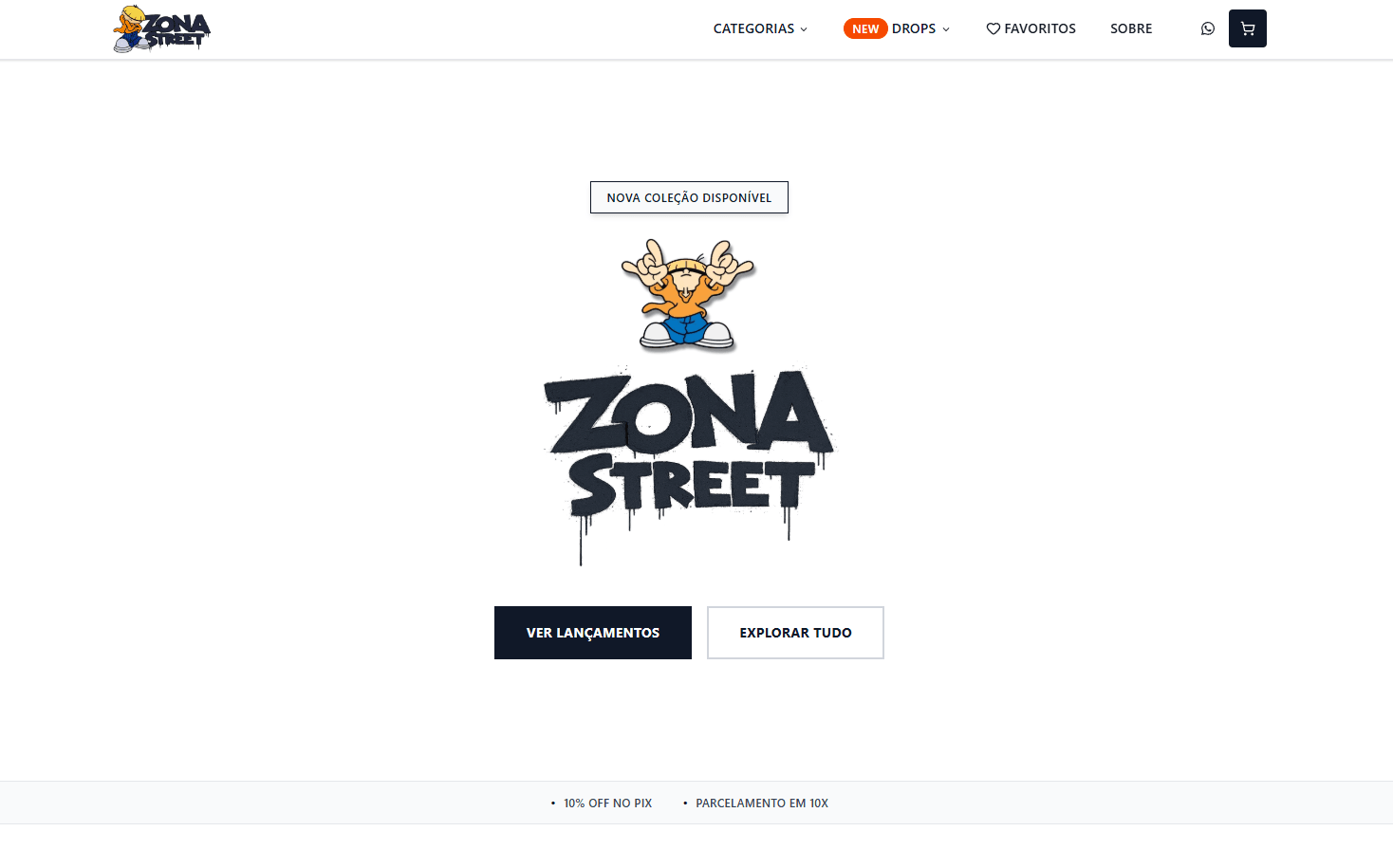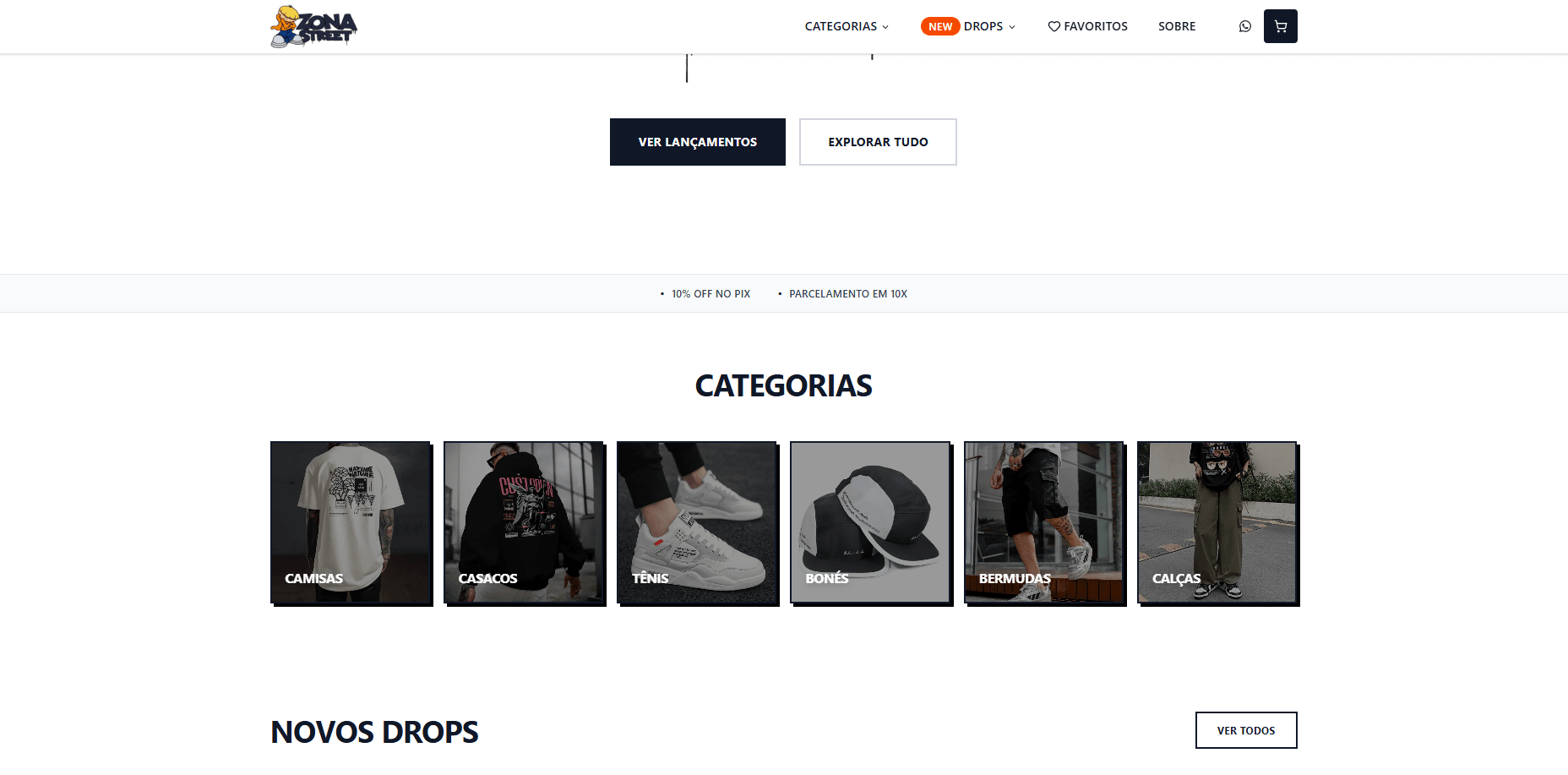
Zona Street is a full-stack e-commerce platform built to support a local clothing brand with a modern, scalable architecture and minimal infrastructure costs.
The project includes a public storefront, product catalog, category navigation, and a custom admin panel for managing products, orders, and inventory.
The system was designed with a focus on maintainability and developer experience, using typed APIs, schema validation, and reusable UI components. The architecture allows the application to run on a lightweight cloud stack while still supporting real-world business workflows.
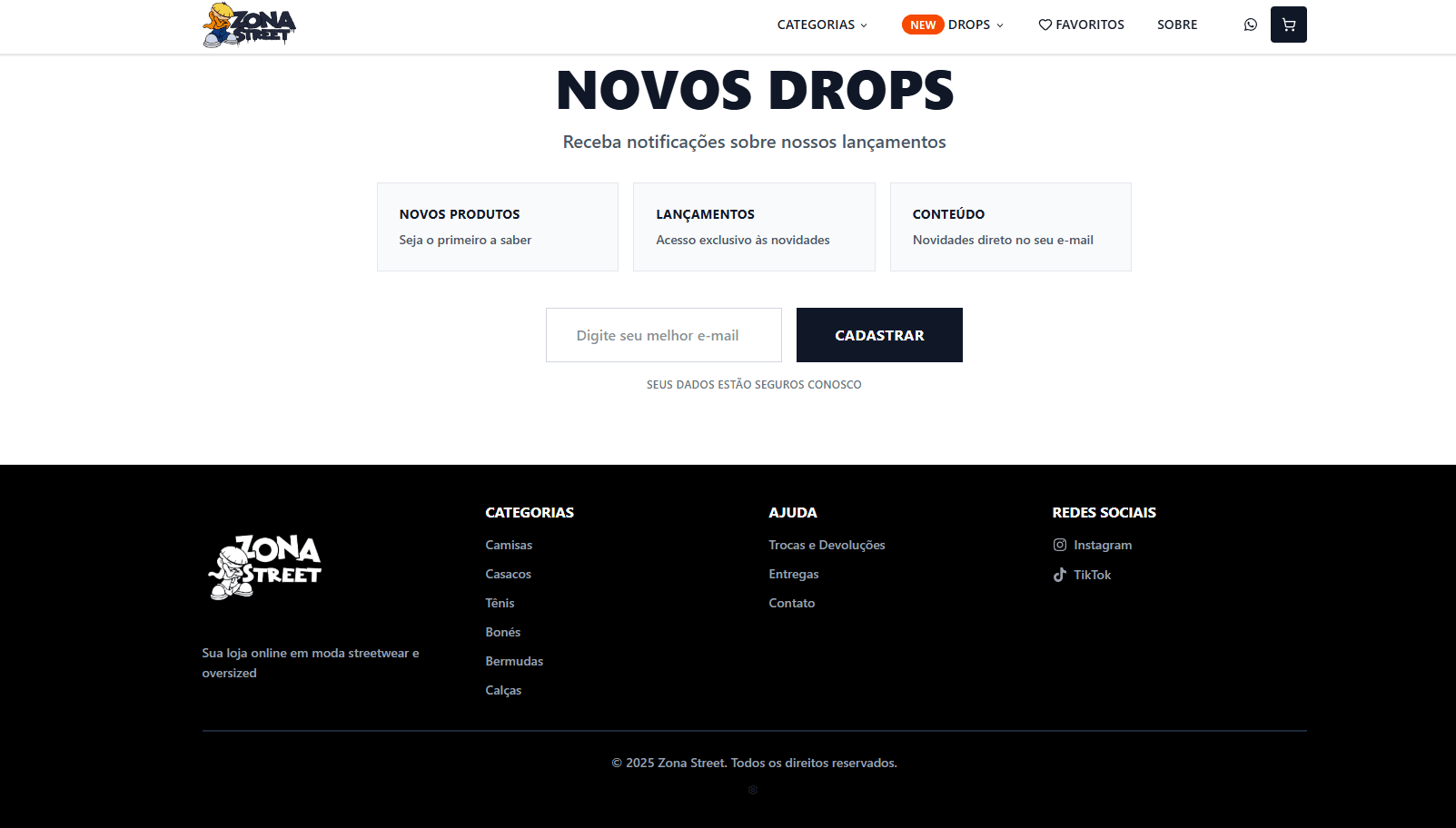
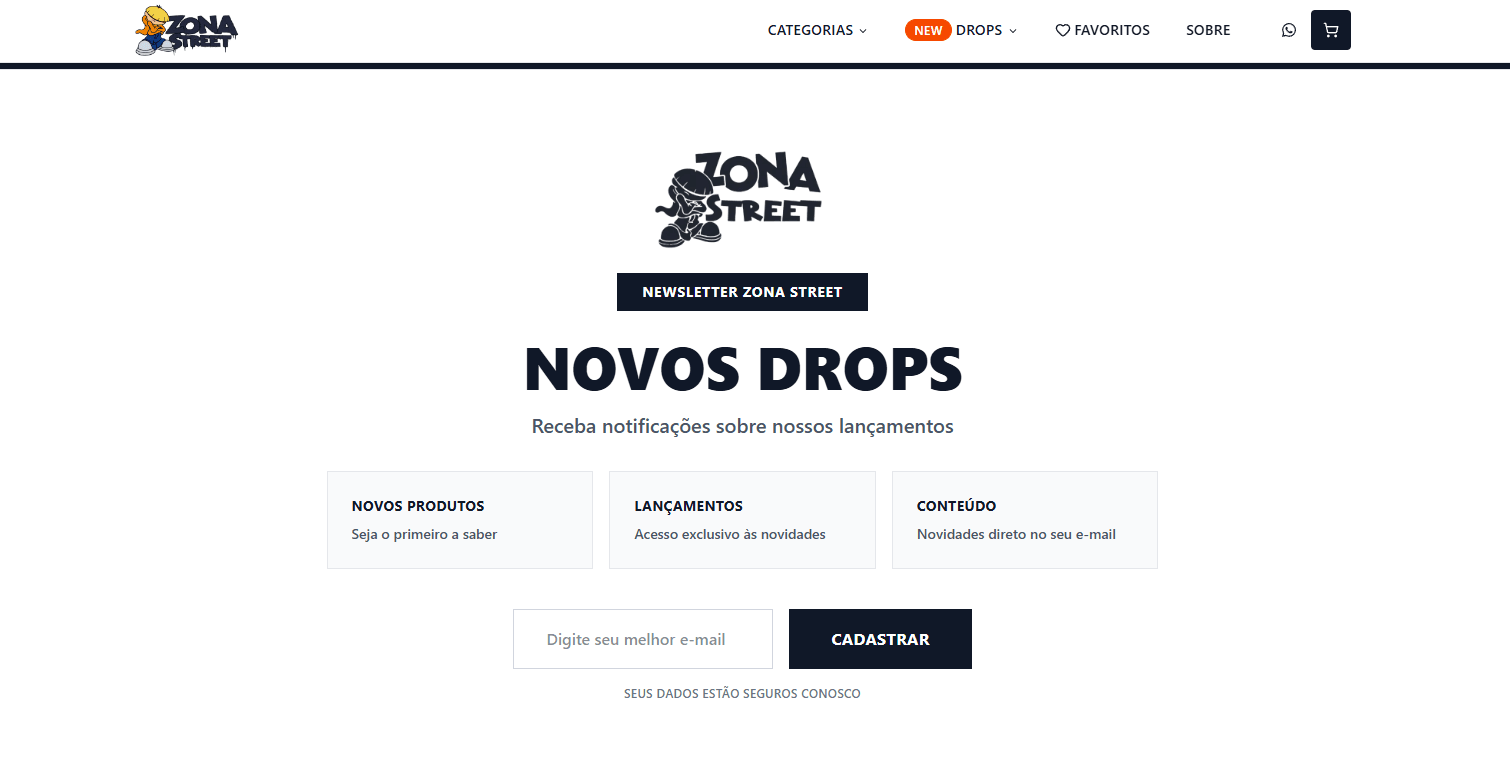
Key features include product management, order tracking, dynamic filtering, responsive UI, and newsletter email integration.
Problem
The project was created to provide a local streetwear brand with a professional online presence and a simple way to manage its catalog.
The goal was to build a modern e-commerce experience while keeping operational costs extremely low. The platform needed to support product listings, category navigation, order management, and an admin interface without requiring complex infrastructure.
Another challenge was ensuring the system could evolve over time as the business grows, while still remaining easy to maintain and deploy.
Architecture
The architecture uses a Next.js storefront combined with a custom backend API and a modular component structure.
UI elements are built using reusable primitives and shared components to keep styling and behavior consistent across the application.
State management is handled with Zustand, while Zod ensures runtime validation for API contracts and user input. This allows the frontend and backend to maintain strong type safety and predictable data flows.
The project structure separates domains into clear modules such as API, UI components, and shared libraries, making the system easier to extend and maintain as new features are added.
Implementation
The platform includes a public storefront and a dedicated admin panel.
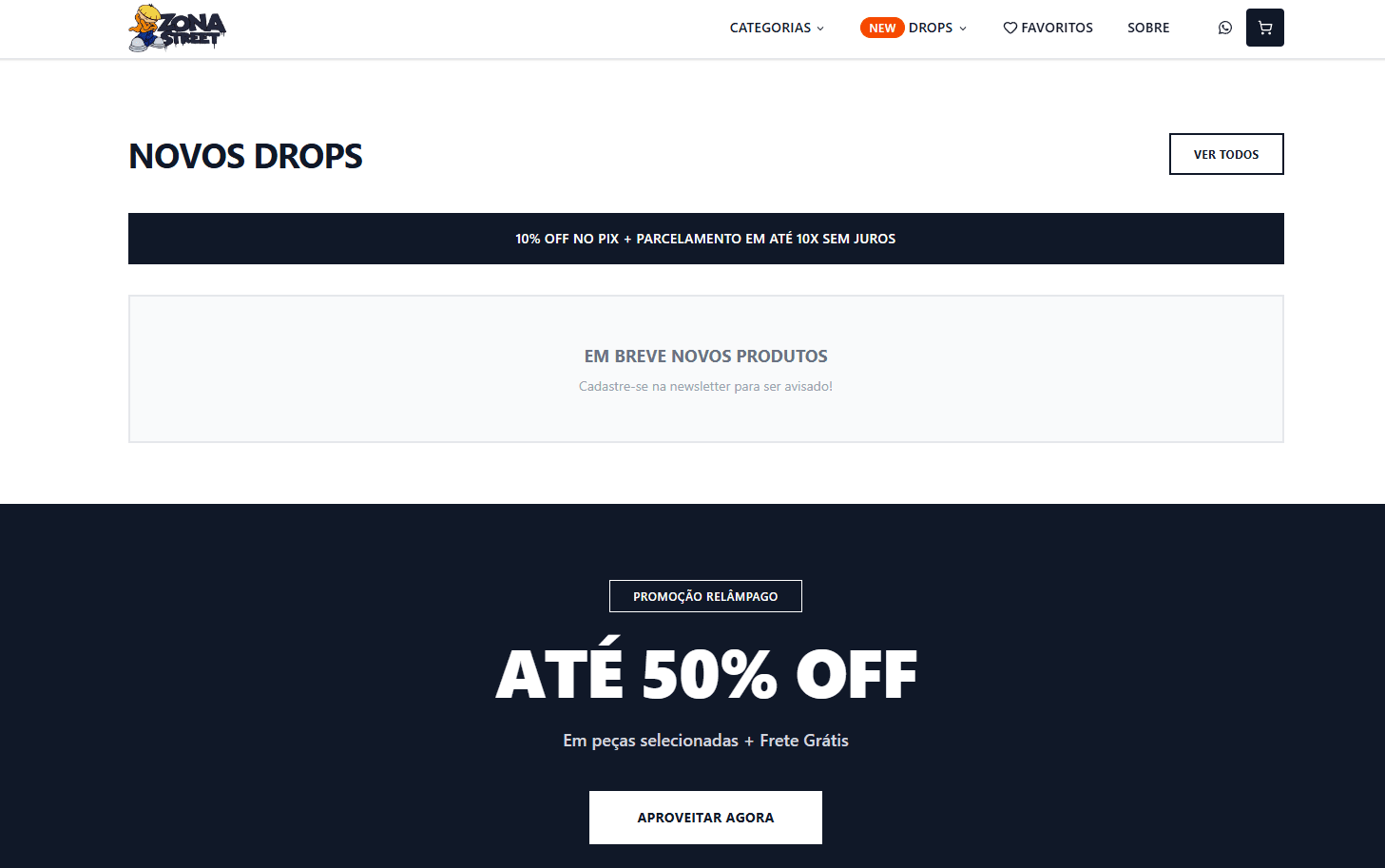
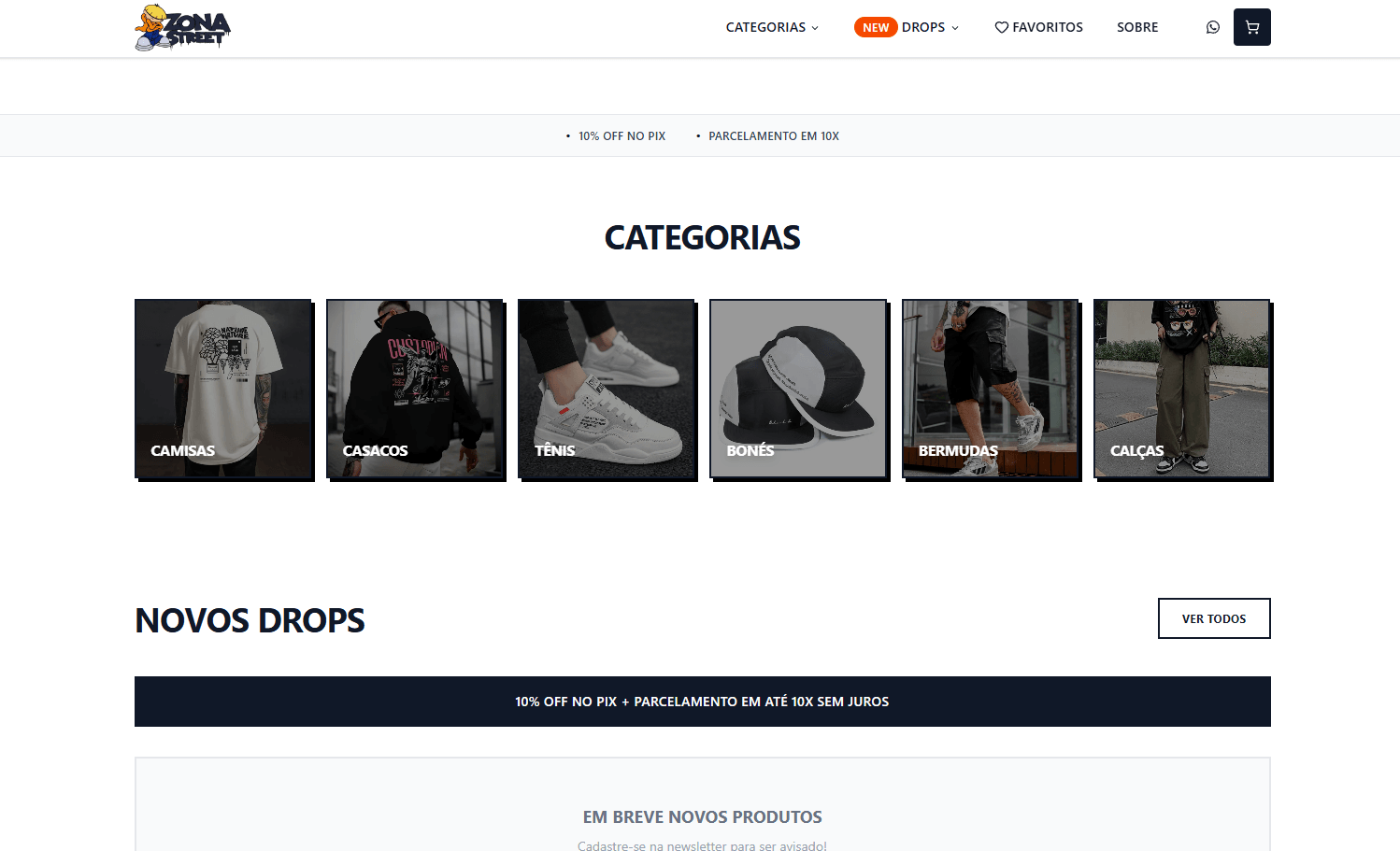
The storefront allows customers to browse products, filter by categories, explore new releases, and complete orders through a streamlined checkout flow.
The admin interface provides tools for managing products, inventory, and orders. It also includes features such as product archiving, dynamic filtering, and automated email notifications for new product releases.
During development, the codebase was refactored to extract reusable UI components and consolidate styling patterns. This improved maintainability and reduced duplication across the interface without changing the visual design.
The final result is a production-ready e-commerce platform built with a clean architecture and optimized for real-world usage.